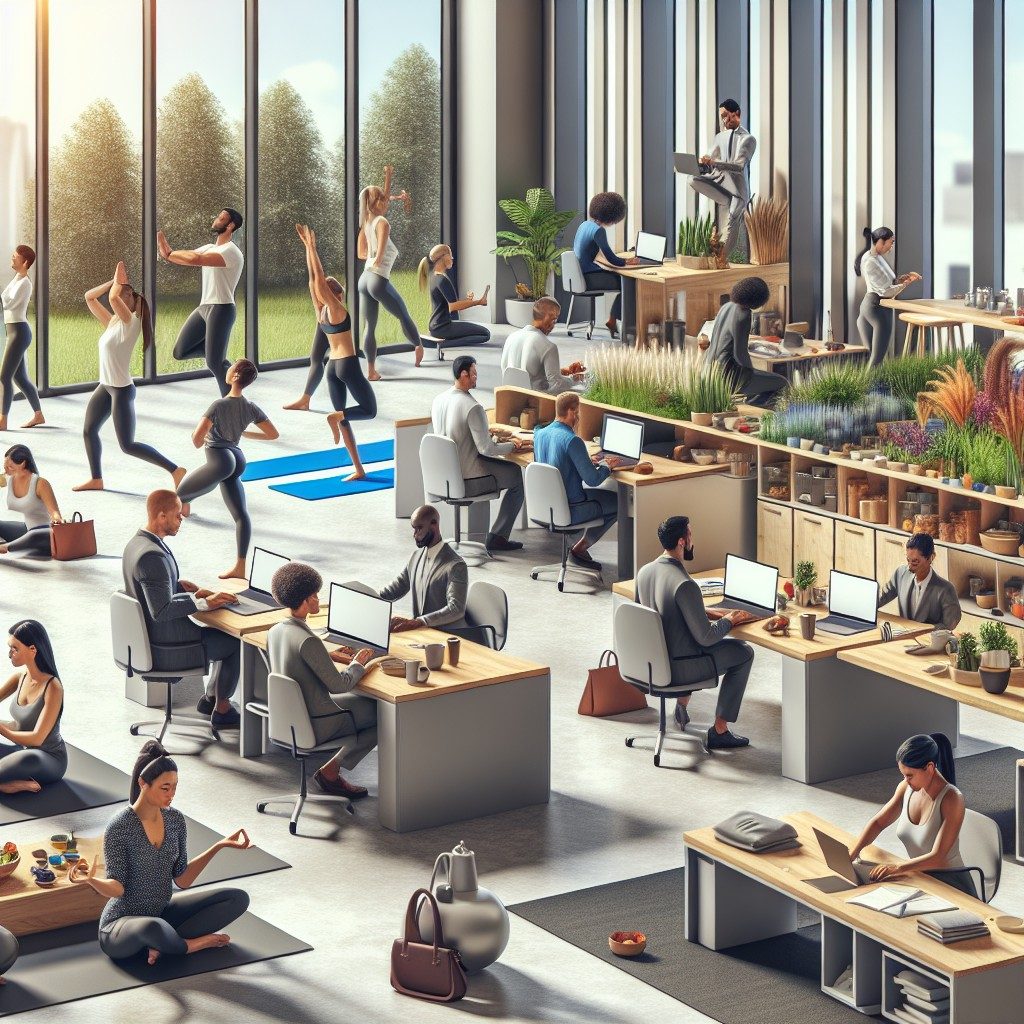
As the pressures of modern work environments mount globally, Romania has been taking strategic steps to address the growing concern of employee burnout through policies that promote a healthier work-life balance. These initiatives aim to support workers in managing professional responsibilities alongside personal well-being, an issue that has become increasingly salient in recent years.
Understanding the Work-Life Balance Challenge in Romania
Romania, like many European countries, faces unique challenges regarding work intensity and employee well-being. Despite economic growth and expanding industries, many Romanian employees report high levels of stress and exhaustion linked to work demands. The traditional expectations of long working hours combined with limited access to flexible arrangements have contributed to this trend. Addressing work-life balance has become a priority for both the government and private sector entities to curb burnout and sustain workforce productivity.
Government Policies Supporting Employee Well-being
The Romanian government has implemented several measures aimed at improving the quality of working life. These include regulations on maximum working hours, mandatory rest periods, and the encouragement of flexible working schedules where feasible. Legislation concerning parental leave has also been enhanced, providing extended benefits to new parents, which supports work-life balance by allowing greater time for family care. These policies reflect a growing recognition of the importance of mental health and work satisfaction in employee retention and national economic stability.
Corporate Initiatives Fostering a Healthier Work Environment
Beyond public policy, many Romanian companies have introduced internal programs expressly designed to reduce burnout. These initiatives often feature flexible work hours, remote work options, and wellness programs that focus on physical and psychological health. Moreover, some organizations encourage regular breaks and discourage after-hours work communication, utilizing management practices that acknowledge employee limits. These approaches contribute directly to establishing a culture that values sustainable productivity and employee happiness.
The Role of Technology in Enhancing Work-Life Balance
Technological advancements have played a pivotal role in facilitating work-life balance in Romania. Remote work technologies, digital communication tools, and scheduling software allow employees to manage their tasks with more autonomy and flexibility. The COVID-19 pandemic accelerated the adoption of such technology, underscoring its effectiveness in maintaining work continuity while respecting personal time. However, barriers such as unequal access to technology in certain regions remain challenges that need addressing to make these benefits universally accessible.
Measuring the Impact: Burnout Reduction and Economic Implications
Preliminary data and surveys show that Romanian policies and corporate practices supporting work-life balance correlate with lower burnout rates and increased job satisfaction. Employees who experience better balance tend to report less stress-related illness and a more positive outlook on their careers. Economically, this translates into lower absenteeism and higher productivity, benefiting both employers and the wider economy. Continuous monitoring and adaptation of these policies will be essential to sustain these gains long term.
In conclusion, Romania’s evolving framework for enhancing work-life balance represents a progressive step toward combating burnout. The integration of government regulations, corporate initiatives, and technological tools is creating a more supportive environment for employees. Moving forward, greater emphasis on accessibility and inclusivity will be vital to ensuring the positive effects of these policies reach all sectors of the Romanian workforce.
Frequently Asked Questions about work-life balance
What is the current state of work-life balance policies in Romania?
Romania has developed several government regulations and corporate programs aimed at improving work-life balance to reduce employee burnout and promote well-being.
How does work-life balance affect employee burnout in Romania?
A better work-life balance is directly linked to lower burnout rates, as it helps employees manage stress and maintain mental health while fulfilling job responsibilities.
Are flexible working hours common in Romanian organizations?
Flexible working hours and remote work have become increasingly common in Romania, especially after recent policy changes and the rise of digital tools facilitating such arrangements.
What government policies support work-life balance in Romania?
Policies include regulations on working hours, mandatory rest periods, enhanced parental leave, and encouragement of flexible work schedules to support employee well-being.
How is technology influencing work-life balance in Romania?
Technology enables remote work and flexible scheduling, allowing Romanian employees to better balance professional and personal commitments, thereby reducing burnout risk.